Exploring the Rising World of Biohacking: Enhancing Human Abilities through Technology
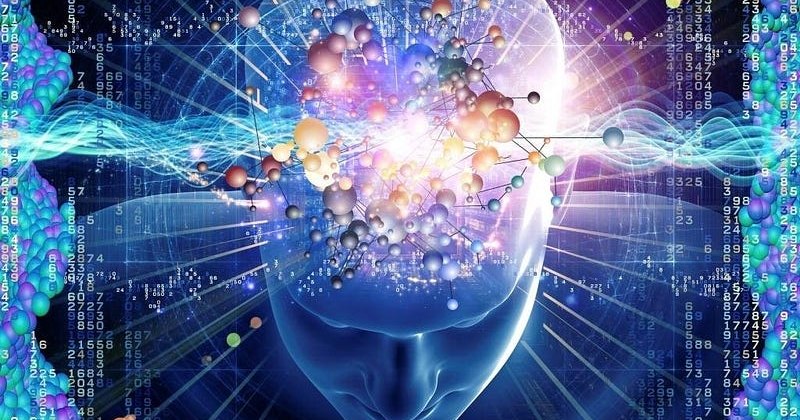
In our rapidly advancing technological landscape, a captivating movement known as biohacking has surfaced, captivating the imaginations of innovators and enthusiasts alike. Biohacking represents a fascinating intersection between technology and biology, holding the promise to revolutionize the way we perceive and augment human capabilities. This comprehensive article aims to explore the multifaceted world of biohacking, shedding light on its vast potential to push the boundaries of human potential and transform numerous facets of our lives.
# Defining Bio-Hacking ->
Biohacking represents an exhilarating movement that converges technology and biology to empower individuals to push the limits of their own capabilities. Let us delve into the core principles, historical roots, notable milestones, and diverse branches of biohacking, shedding extensive light on this captivating field.
-
Core Principles and Motivations: At its essence, biohacking revolves around the idea that individuals can actively take control of their own biology and optimize it through various means. The primary motivations behind biohacking include:
-
Self-empowerment: Harnessing the potential for personal growth, improvement, and self-optimization.
-
Health and Wellness: Exploring methods to enhance physical and mental well-being, including fitness, nutrition, and stress management.
-
Curiosity and Exploration: Venturing into uncharted territories to expand our understanding of the human body and mind.
-
Pushing Boundaries: Challenging conventional limitations to unlock new levels of performance and capabilities.
2. Tracing the Historical Roots: The roots of biohacking can be traced back to diverse disciplines and movements throughout history, including:
- Transhumanism: A philosophical and cultural movement advocating for the enhancement of human abilities through science and technology.
- DIY Biology: The emergence of do-it-yourself biology labs, fostering a culture of open experimentation and knowledge sharing.
- Quantified Self: The practice of tracking and analyzing personal data for self-improvement, emphasizing self-awareness and data-driven decision-making.
3. Notable Milestones: Biohacking has witnessed significant milestones that have shaped its evolution and impact, such as:
- 2005: Launch of the Biohacker Manifesto, which laid down principles and ethical guidelines for the movement.
- 2008: The founding of the DIYbio community, fostering collaboration and democratizing access to biotechnology tools.
- 2010: The first Biohacker Spaces, such as Genspace and BioCurious, opened their doors, providing communal labs for experimentation.
- 2017: CRISPR-Cas9 gene-editing technology gained prominence, enabling precise genetic modifications and fueling advancements in biohacking.
4. Diverse Branches of Biohacking: Biohacking encompasses various branches, each with its unique objectives and methodologies, including:
- DIY Biology: Enabling non-experts to conduct biological experiments, fostering a culture of open science and innovation.
- Grinder Biohacking: Exploring body modifications through the use of implantable devices, sensory enhancements, and augmentation techniques.
- Citizen Science: Engaging communities in collaborative research and data collection, accelerating scientific progress through decentralized efforts.
# Cognitive Enhancement ->
Unleashing the Power of Cognitive Enhancement: When it comes to cognitive enhancement, a vast array of captivating substances and cutting-edge technologies have emerged. Let us shed extensive light on the fascinating world of nootropics, brain-computer interfaces (BCIs), and neurofeedback, exploring their potential to enhance cognitive function and propel human capabilities to new heights.
-
Nootropics: Boosting Cognitive Performance Naturally Nootropics, also known as “smart drugs” or “cognitive enhancers,” are substances or techniques that aim to enhance cognitive function. Some key points to consider are:
-
Exploring the science behind nootropics: Nootropics interact with the brain’s neurotransmitters, receptors, and neuronal pathways to enhance cognitive processes such as memory, focus, and creativity. Natural nootropics include substances like caffeine, ginkgo biloba, and omega-3 fatty acids, which have shown potential cognitive benefits and are commonly found in foods or supplements. Synthetic nootropics, such as racetams or modafinil, are designed specifically for cognitive enhancement and have been studied for their effects on memory, attention, and mental clarity.
-
Nootropic stacks and personalized approaches: Nootropic stacks involve combining multiple substances to achieve synergistic effects and optimize cognitive performance. Personalized approaches to nootropics consider factors like individual brain chemistry, lifestyle, and goals to tailor the selection and dosages of nootropics for maximum benefits. It is important to note that the efficacy and safety of different nootropics vary, and it is recommended to consult with a healthcare professional before starting any nootropic regimen.
2. Brain-Computer Interfaces (BCIs): Merging Mind and Machine Brain-Computer Interfaces (BCIs) enable direct communication between the human brain and external devices (closer to being a cyborg :)). Key aspects to look into include:
- Understanding the fundamentals: How BCIs function by detecting and interpreting brain signals, such as electroencephalography (EEG) or invasive techniques. BCIs detect and interpret brain signals to establish communication between the human brain and external devices. Electroencephalography (EEG) is a non-invasive technique commonly used in BCIs to measure electrical activity in the brain. Invasive techniques, such as implanting electrodes directly into the brain, offer more precise and detailed brain signal readings.
- Applications of BCIs: BCIs have immense potential in assisting individuals with disabilities, allowing them to control prosthetic limbs or communicate through brain signals. In healthy individuals, BCIs can be used for cognitive enhancement, improving focus, memory, and attention through neurofeedback and brain training. BCI applications extend beyond medical fields, with potential uses in gaming, virtual reality, and neuroscientific research.
- Advancements in the field: Non-invasive EEG headsets have become more accessible and user-friendly, enabling widespread adoption and home-based BCI experiments. Implantable neural interfaces, such as Utah arrays or cortical implants, offer high-resolution brain signal recording and are utilized in cutting-edge research and clinical trials. Emerging technologies like optogenetics and nanotechnology hold promise for future BCI advancements, enabling precise control and manipulation of brain activity.
3. Neurofeedback: Unleashing the Brain’s Power through Biofeedback Neurofeedback involves using real-time feedback to train and enhance brain function. Important points to address are:
- Biofeedback principles: Neurofeedback utilizes the principles of operant conditioning to train the brain by providing real-time feedback on its own activity. The brain has the inherent ability to self-regulate and can learn to modify its own electrical patterns based on the feedback received. Understanding how neurofeedback leverages the brain’s ability to self-regulate through visual or auditory feedback.
- Targeted brainwave training: Exploring specific brainwave frequencies, such as alpha, beta, or theta, and their connection to cognitive states like focus, relaxation, or creativity. Specific brainwave frequencies, such as alpha (8-12 Hz), beta (12-30 Hz), or theta (4-8 Hz), are associated with different cognitive states and mental processes. Neurofeedback focuses on training individuals to increase or decrease specific brainwave frequencies to achieve desired cognitive states, such as increased focus or relaxation.
- Applications and benefits: Discussing how neurofeedback is employed for cognitive enhancement, stress reduction, attention disorders, and optimizing peak performance. Neurofeedback has been used successfully in cognitive enhancement programs to improve attention, memory, and cognitive flexibility. It has proven effective in reducing symptoms of stress, anxiety, and attention disorders, providing a non-invasive alternative to medication. Athletes, artists, and professionals seek neurofeedback for optimizing peak performance and unlocking their full potential in their respective fields.
# Biohacking and Health ->
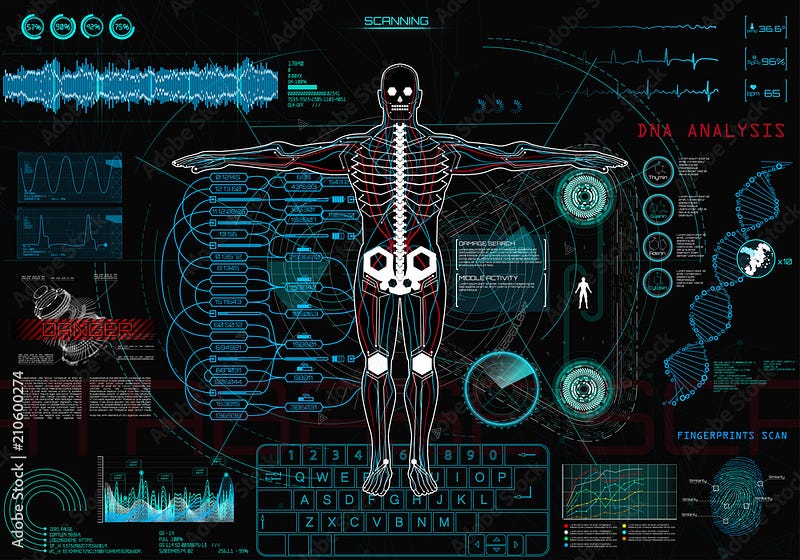
Moving on a Journey of Biohacking and Health: Within the realm of biohacking, an intriguing frontier of possibilities exists for revolutionizing healthcare and promoting well-being. Let us delve into the transformative domains of personalized medicine and genetic engineering, biohacking for longevity and life extension, and the exploration of biohacked solutions for chronic diseases and disabilities, shedding extensive light on their potential to redefine our understanding of health.
-
Personalized Medicine and Genetic Engineering:
-
Unveiling the promise of personalized medicine: Advancements in genomics and molecular diagnostics have allowed for the analysis of an individual’s genetic profile, enabling tailored treatments and therapies based on their unique genetic makeup. Personalized medicine aims to provide targeted interventions, optimizing treatment efficacy while minimizing side effects by considering genetic variations and their impact on drug response. By identifying genetic markers associated with certain diseases, personalized medicine offers the potential for early detection, prevention, and customized treatment plans, revolutionizing the field of healthcare. Personalized medicine aims to optimize treatment outcomes, minimize adverse effects, and improve overall patient care through tailored therapies and interventions.
-
Genetic engineering breakthroughs: Techniques such as CRISPR-Cas9, TALENs, and zinc-finger nucleases have emerged as powerful tools for precise gene editing, allowing scientists to modify DNA sequences with unprecedented accuracy. These techniques hold immense potential in combating genetic diseases by correcting or removing defective genes responsible for specific conditions. Genetic engineering breakthroughs also offer opportunities for agricultural improvements, environmental remediation, and advancements in biotechnology, paving the way for innovative solutions in various sectors.
-
Ethical considerations: Genetic engineering raises ethical questions regarding the manipulation of the human genome, including concerns over unintended consequences, genetic discrimination, and the equitable distribution of access to genetic interventions. The concept of “playing god” refers to the moral dilemma of assuming the power to alter the fundamental building blocks of life and the potential implications it may have on the natural order. The ethical debate extends to discussions about designer babies, where genetic manipulation could be used for non-medical purposes, raising concerns about eugenics, societal values, and the potential for widening societal inequalities.
2. Biohacking for Longevity and Life Extension:
- Longevity and anti-aging strategies: Cutting-edge research focuses on understanding the biological processes of aging and developing interventions to slow down age-related decline and promote healthy aging. Studies explore areas such as caloric restriction, cellular senescence, telomere maintenance, and genetic factors associated with longevity. Promising interventions include pharmacological agents, such as senolytics, and lifestyle interventions, such as exercise, calorie restriction, and stress reduction techniques.
- Lifestyle optimization: Biohacking techniques for longevity involve optimizing various aspects of lifestyle, including nutrition, stress management, sleep quality, and physical activity. Nutritional optimization may include personalized diets, intermittent fasting, and targeted supplementation to support optimal cellular function and reduce age-related damage. Stress reduction techniques, like meditation and mindfulness practices, aim to mitigate the negative effects of chronic stress on the body and promote overall well-being and longevity.
- Extending human lifespan: Scientific and technological advancements, such as regenerative medicine, genetic engineering, and nanotechnology, hold the potential to extend human lifespan beyond traditional limits. Research explores interventions to rejuvenate tissues and organs, manipulate genetic pathways associated with aging, and enhance cellular repair mechanisms. Emerging fields like cryonics and mind uploading also pose theoretical possibilities for preserving and transferring human consciousness, potentially allowing for indefinite lifespans.
3. Exploring Biohacked Solutions for Chronic Diseases and Disabilities:
- Biohacking for chronic disease management: Innovative biohacked solutions are being explored to manage chronic conditions like diabetes, autoimmune disorders, and cardiovascular diseases. Examples include DIY closed-loop insulin delivery systems for diabetes, personalized immunotherapies for autoimmune disorders, and biohacked implants to monitor and regulate physiological parameters. Biohacking in chronic disease management aims to improve treatment effectiveness, enhance patient autonomy, and provide personalized interventions.
- Assistive technologies and biohacking: Biohacking techniques can be applied to develop advanced assistive technologies for individuals with disabilities, such as prosthetics, sensory augmentation, and neurorehabilitation devices. Examples include biofeedback-driven prosthetic limbs, brain-computer interfaces for restoring motor function, and sensory-enhancing devices like bionic eyes or cochlear implants. Biohacking in assistive technologies aims to enhance mobility, sensory perception, and overall quality of life for individuals with disabilities.
- Bioelectronics and biohacked implants: The integration of technology with the human body through bioelectronics and biohacked implants offers opportunities to monitor, regulate, and restore bodily functions in the context of chronic diseases and disabilities. Examples include bioelectronic devices for pain management, implantable neurostimulators for Parkinson’s disease, or brain implants for epilepsy control. Biohacking in bioelectronics and implants aims to improve patient outcomes, provide targeted interventions, and enhance overall well-being through the merging of biology and technology.

# Communities and Projects:
Biohacking labs, hackerspaces, and citizen science initiatives have emerged as vibrant communities that provide dedicated spaces for individuals interested in exploring and experimenting with biohacking concepts and projects. These collaborative environments foster knowledge sharing, interdisciplinary collaboration, and access to specialized equipment and resources, enabling the development of innovative biohacking endeavors.
For example, Genspace in New York City is a well-known community lab that offers a shared workspace for biohackers, scientists, and enthusiasts. It provides access to cutting-edge equipment like PCR machines, microscopes, and DNA sequencers, allowing members to conduct various biohacking experiments and research projects. The lab organizes workshops, courses, and events to promote education and collaboration among its members.
Another notable example is the global hackerspace network called BioCurious. It serves as a hub for biohacking enthusiasts and provides a platform for collaboration, learning, and innovation. BioCurious operates as a community lab in California, offering open access to lab space, equipment, and resources for conducting biohacking experiments. It hosts events, workshops, and hackathons that bring together individuals from diverse backgrounds to explore biohacking projects and advance the field.
# Inspiring Projects:
- DIY Medical Devices: Biohackers have developed innovative medical devices that can be built at a fraction of the cost of traditional options, making healthcare more accessible. For instance, the “Jaipur Foot” project aims to create affordable prosthetic limbs using 3D printing technology, benefiting individuals in underserved communities.
- Sustainable Biofabrication: Biohackers are exploring eco-friendly alternatives to traditional manufacturing processes by using living organisms to create materials. An example is the development of bio-based materials like mushroom leather, which offers a sustainable and biodegradable alternative to animal leather for fashion and accessories.
- Community-Driven Environmental Initiatives: Biohacking communities have initiated projects to tackle environmental challenges. For example, the “BioBlitz” project encourages citizen scientists to collect data on local biodiversity, contributing to conservation efforts and raising awareness about ecological health.

# The Future - Human-Machine Integration:
In a world where science fiction often blends with reality, the idea of becoming a cyborg, reminiscent of characters from DC or the Marvel Cinematic Universe, may seem like a distant dream. However, recent advancements in biohacking and human-machine integration have brought us closer to the realm of merging biology and technology. From implantable devices to neural interfaces, the possibilities are both exciting and thought-provoking.
One fascinating example of human-machine integration is the development of brain-computer interfaces (BCIs). These innovative technologies allow direct communication between the human brain and external devices, opening up new avenues for individuals with disabilities. For instance, researchers have successfully used BCIs to help paralyzed individuals regain control over their limbs or enable individuals with neurodegenerative conditions to communicate and interact with the world around them. These advancements not only enhance quality of life but also showcase the potential of merging human capabilities with technological innovation.
Furthermore, the field of biohacking explores the customization and enhancement of human biology through the use of technology. Biohackers, often self-experimenters and enthusiasts, are pushing the boundaries of what it means to be human. They are exploring the integration of implantable devices, such as microchips or bioelectronic sensors, to monitor and regulate bodily functions. These innovations have the potential to revolutionize healthcare, enabling personalized treatment plans, early disease detection, and improved overall well-being.
# Ethical Considerations:
As we embark on this journey of human-machine integration and biohacking, it is essential to address the complex ethical considerations that arise. With great power comes great responsibility, as the famous Spider-Man quote reminds us. The moral implications of merging biology and technology are vast and require careful examination.
One major concern is the potential for unequal access to these technologies. Ensuring equitable distribution and affordability of biohacking advancements is crucial to prevent a divide between those who can afford enhancements and those who cannot. Additionally, questions arise around privacy and data security. As we gather more personal health information through biohacking devices, safeguarding individuals’ privacy becomes paramount.
The issue of informed consent is also central to the ethical discussions surrounding biohacking. While self-experimentation is a core element of biohacking culture, it is important to establish ethical guidelines to ensure the well-being and safety of individuals. This includes informed consent, risk assessment, and transparency in reporting outcomes.
Furthermore, societal and philosophical debates surround the concept of human enhancement. Questions about what it means to be human, the potential loss of authenticity, and the blurring of natural boundaries arise. Deliberation is required to establish ethical frameworks that guide the responsible use of biohacking technologies and ensure they align with our shared values and long-term well-being.

# Conclusion :
In conclusion, the realm of human-machine integration and biohacking presents a fascinating frontier where the boundaries between biology and technology blur. It is an arena where science fiction merges with reality, and the possibilities seem limitless. As we witness the development of groundbreaking technologies like brain-computer interfaces and implantable devices, we find ourselves standing on the precipice of transformative change.
Within this landscape of innovation, it is essential to tread carefully, mindful of the ethical implications that accompany such advancements. We must ensure that access to these technologies is equitable, bridging the gap between the privileged few and the broader population. Privacy and data security must be safeguarded, protecting the rights and autonomy of individuals in an increasingly interconnected world.
Furthermore, we must engage in thoughtful reflection and dialogue concerning the philosophical and societal implications of human enhancement. As we explore the frontiers of biohacking, we must navigate the delicate balance between progress and preserving our shared humanity. Ethical frameworks, rooted in principles of informed consent, transparency, and equity, must guide our endeavors.
By embracing these principles and fostering collaboration across disciplines, we can forge a future where the integration of biology and technology leads to positive and transformative outcomes. Together, we can unlock the potential of human-machine integration while upholding our collective values of fairness, inclusivity, and respect for human dignity.
In this pursuit, it is our responsibility to shape the trajectory of biohacking and human-machine integration, ensuring that these advancements serve the greater good and contribute to the well-being of individuals and society as a whole. In doing so, we can unlock the true potential of merging biology and technology to create a world where science and humanity coexist harmoniously.
Frequently asked
- What is biohacking?
- Biohacking is a movement at the intersection of technology and biology where individuals take active control of their own biology through methods like nootropics, brain-computer interfaces, genetic engineering, and quantified-self tracking to optimize health, cognition, and performance.
- What are nootropics?
- Nootropics, sometimes called smart drugs or cognitive enhancers, are substances or techniques such as caffeine, ginkgo biloba, racetams, or modafinil that interact with the brain's neurotransmitters and receptors to enhance memory, focus, or creativity.
- How do brain-computer interfaces (BCIs) work?
- BCIs detect and interpret brain signals, most commonly through non-invasive EEG headsets or invasive implanted electrodes, to establish direct communication between the human brain and an external device, with applications from assistive prosthetics to cognitive enhancement.
- What ethical concerns surround biohacking?
- The article raises concerns about unequal access to enhancement technologies, privacy and data security around personal health information gathered by biohacking devices, and the need for informed consent given biohacking's self-experimentation culture.
Comments